

Chip Tuning for Beginners: A Complete A-to-Z Guide
Written by: The GAN Tuning Buro engineering team — leading specialists with over 20 years of experience in chip tuning.
Reviewed and updated: October 15, 2025.
What Is Chip Tuning in Simple Terms? A Beginner’s Guide
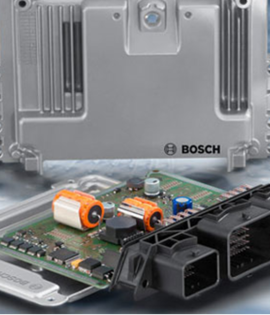
Chip tuning involves software optimization of the engine control unit (ECU) to improve engine performance. Essentially, the process is similar to updating the software on a smartphone to make it faster and more efficient. For beginners, it’s important to understand that this procedure doesn’t require replacing any physical components. Instead, it unlocks the engine’s potential that manufacturers often limit for reasons such as emissions regulations, reliability, or marketing strategy. For example, dynamometer tests show power gains of up to 30% on turbocharged engines without reducing engine lifespan. This is the basic explanation of chip tuning for those just starting to explore the topic.
What Chip Tuning Delivers: Key Benefits and Real-World Results
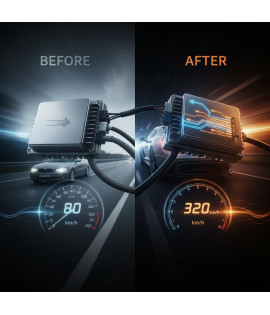
Chip tuning improves vehicle dynamics, increases power output, and optimizes fuel consumption. The driver gets a more responsive engine, quicker acceleration, and the potential to save fuel during relaxed driving. Dyno tests show performance gains on turbocharged engines with fuel savings of up to 15%.
| Parameter | Factory Settings (Stock) | After Chip Tuning (Stage 1) |
|---|---|---|
| Power (hp) | 150 | 180–195 |
| Torque (Nm) | 250 | 300–320 |
| 0–100 km/h Acceleration (s) | 9.2 | 7.8–8.2 |
| Fuel Consumption (highway, L/100 km) | 6.5 | 5.8–6.2 (with moderate driving) |
| Throttle Response | Standard | Improved, no delay |
Disabling “Eco” Functions and Errors: EGR, DPF, AdBlue
Chip tuning can be used to disable systems such as EGR (exhaust gas recirculation), DPF (diesel particulate filter), and AdBlue (NOx reduction). This can solve mechanical issues but also increases emissions and violates environmental regulations. Disabling EGR on diesel engines can boost power by up to 20%, but compliance checks are required, as stated in the Alientech Official Guide, 2025.
Hidden Pitfalls and Risks: What Tuners Don’t Tell You
Chip tuning carries certain risks, including increased engine wear, potential loss of warranty, and higher fuel consumption during aggressive driving. Incorrect tuning increases stress on the engine and shortens its lifespan. Research shows that tuning errors lead to damage in 20% of cases, according to TuningBot, “Beginner's Guide to Chiptuning: How to Start Tuning Safely and Professionally”, 2025.
Loss of Dealer Warranty: Myth or Reality?
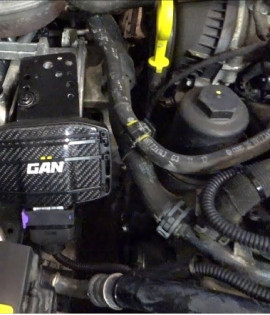
Modifications to the ECU give dealers a reason to void the engine and transmission warranty. Some external modules do not modify the factory software and can be removed without a trace before a service visit. Learn more in the article “Why Manufacturers Don’t Do Chip Tuning at the Factory” .
Impact on Engine and Transmission Lifespan
Increased power means increased load and reduced mechanical safety margins. Stage 1 typically stays within factory tolerances, but aggressive driving accelerates wear. Real-world data from thousands of tuned cars shows stock-level longevity with responsible use.
“Smart tuning is not about pushing the engine to its limits — it’s about optimization. We always keep a 15–20% safety margin to protect engine life during normal use.”— GAN Tuning Buro Engineering Team
Higher Fuel Quality and Maintenance Requirements
After tuning, high-octane fuel is required — for example, 98 RON instead of 95 — along with more frequent oil changes every 5–7,000 km. This helps prevent detonation and premature wear.
Types and Methods of Chip Tuning: How It’s Done
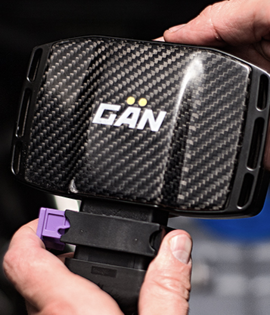
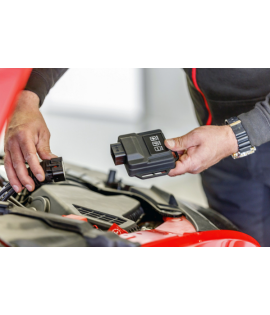
Chip tuning involves either modifying the ECU software directly or installing external tuning modules. These approaches provide flexibility and safety for different types of engines.
Stage 1, 2, 3: What Do These “Stages” Mean?
Stage 1 focuses on software only and is ideal for beginners. Stage 2 adds supporting hardware upgrades, while Stage 3 involves more significant component replacements for performance builds.
| Stage Level | What’s Modified? | Hardware Requirements | Best For |
|---|---|---|---|
| Stage 1 | Software adjustments only | None | Beginners, daily driving |
| Stage 2 | Software + downpipe, intercooler | Light modifications | Enthusiasts |
| Stage 3 | Software + upgraded turbo, injectors | Major modifications | Motorsport |
ECU Remapping (Flash Tuning) vs. Tuning Box (Power Box)
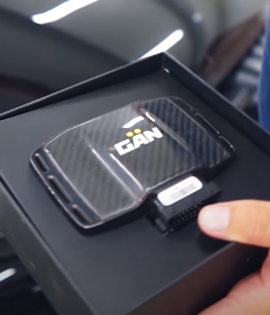
Remapping modifies the ECU software comprehensively, while a tuning box intercepts and alters sensor signals. Tuning boxes are often considered safer since they don’t modify the ECU directly and can be removed easily. This is supported by research from ChipYourCar in “Tuning for Beginners: How to Enhance Your Car's Performance”, 2024.
Chip Tuning for Diesel vs. Gasoline Engines
Turbo diesel engines can gain up to 40% more torque and improved fuel economy. Naturally aspirated gasoline engines typically gain 5–7%, while turbocharged gasoline engines can see up to 30% more power. Learn more in the article “Chip Tuning for Naturally Aspirated Engines” .
How to Choose the Right Tune and Specialist for Chip Tuning
The choice depends on reviews, warranty options, and proper diagnostics. A test drive helps evaluate the real effect.
- ✅ Mandatory pre-check diagnostics: A professional inspects the vehicle before tuning.
- ✅ Own professional equipment: Does not work with cheap clone tools.
- ✅ Reputation and reviews: Real feedback from forums and Drive2.
- ✅ Transparent process: Explains what will be changed and how.
- ✅ Stock backup: Makes a full backup of the original factory file.
- ✅ Warranty and support: Provides a guarantee and fine-tunes the software if needed.
DIY Chip Tuning: Why It’s Not for Beginners
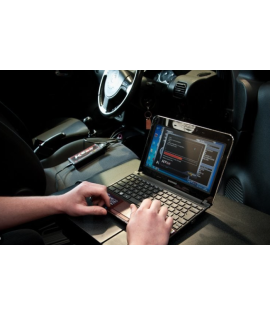
Doing chip tuning on your own can easily damage the ECU due to mistakes. Beginners often end up with serious engine issues, which is why professional tuning is strongly recommended. For newcomers, this is especially risky because it requires in-depth knowledge of automotive electronics.
Frequently Asked Questions (FAQ)
Can everything be reverted to stock?
Yes, a professional tuner saves the original factory file so the ECU can be restored at any time. External modules can be removed without leaving traces.
How long does chip tuning take?
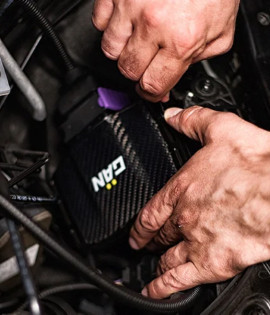
From 1 to 4 hours, depending on the car. Module installation takes about 15 minutes.
Will my car tax increase after tuning?
No, vehicle tax remains unchanged since the official power rating in the vehicle registration doesn’t change. Documentation stays the same, as noted by Integrated Engineering, “ECU Tuning: A Beginner's Guide”, 2024.
Chip Tuning Myths vs. Facts
- Myth: The engine will wear out quickly.
Fact: A properly done Stage 1 only minimally affects engine longevity. - Myth: Fuel consumption always goes down.
Fact: It decreases with calm driving but increases under aggressive acceleration.
Conclusion: Is Chip Tuning Worth It?
Chip tuning can safely improve vehicle performance when done by a trusted specialist. It’s an affordable way to unlock your car’s true potential.
Ask a Chip Tuning Expert!
Still have doubts? Get a free consultation for your vehicle. We’ll assess its potential and explain the possible risks.