

Chip Tuning: A Complete Breakdown — Pros, Cons, and All the Risks for Your Car
Author: The GAN Tuning Buro development team — chip tuning specialists with over 20 years of hands-on experience. Our focus is on safe tuning modules that preserve the factory warranty. Learn more on our company profile gantuning.com.
What is chip tuning in simple terms?
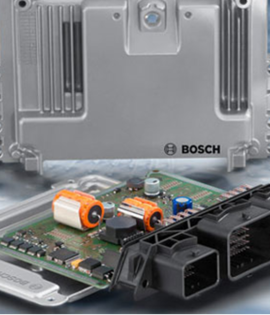
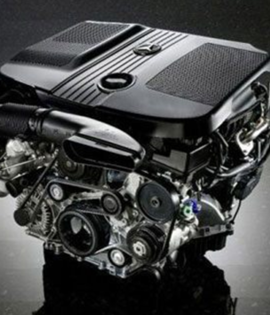
Chip tuning is the modification of the engine control unit (ECU) software to optimize its performance. Manufacturers set restrictions in the stock firmware to comply with environmental standards, reduce taxes, or extend engine life.
Tuning removes these barriers by adjusting parameters such as fuel injection, ignition timing, and boost pressure. As a result, the engine delivers more power and torque without replacing hardware components. This is especially relevant for turbocharged engines, where gains can reach up to 30 percent, as proven by dynamometer tests.
The results confirm that proper tuning improves efficiency without harming key components.
Chip Tuning Risks: A Complete Guide
Chip tuning can pose potential problems if the procedure is approached without proper preparation. Negative consequences usually arise from incorrect calibration or poor-quality software, which may create risks for the engine and other systems.
Breaking down the risks into technical, financial, and legal aspects helps to understand how to avoid common mistakes. Data from tests on more than 30,000 vehicles show that with the right approach, issues can be reduced by up to 90 percent.
The main risks in chip tuning are linked to increased loads, and minimizing them requires thorough diagnostics before installation.
Risk Classification: Technical, Financial, and Legal
Technical Risks: How Chip Tuning Can Harm Your Car
Engine Risks from Chip Tuning
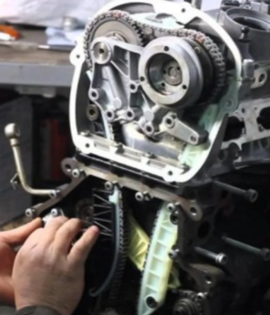
Chip tuning increases the load on the engine, which accelerates wear if the software is not properly adapted. Engine wear grows due to higher pressure and temperatures, potentially leading to piston deformation.
Engine lifespan is reduced when tuning ignores factory safety limits, shortening mileage by 10–20 percent according to studies. Overheating can occur under aggressive settings, especially in hot climates, without upgraded cooling systems.
Detonation appears as uncontrolled combustion in the cylinders, damaging valves and pistons. Proper parameter balancing helps prevent such issues, with dynamometer tests confirming safety when tuning is done correctly.
“Performance chip tuning can yield up to a 30% increase in horsepower and torque, along with improved throttle response and sometimes better fuel economy, but it can void your vehicle's warranty and may impact emission compliance.”
— Autowerkes, April 2025
Impact of Chip Tuning on Transmissions: Potential Risks (Manual, Automatic, DSG, CVT)
Chip tuning transfers increased torque to the transmission, accelerating wear. Gearboxes face overloads that can lead to failures. Automatic transmissions (AT) risk clutch slippage due to power mismatch. Manual transmissions (MT) suffer from synchronizer wear under sudden loads. DSG and CVT units are prone to jerks and premature clutch failures, as seen in cases of poor-quality remaps. Compatibility checks help prevent repairs that cost several times more than tuning. The downsides are evident if risks are ignored, but the advantages appear when adaptive tuning is applied.
How Does Chip Tuning Affect the Overall Lifespan of a Car?
Chip tuning reduces a vehicle’s service life by accelerating component wear. Lifespan can shrink by 5–15 percent if the car’s condition is not monitored. Increased wear impacts not only the engine but also suspension and brakes. In projects where adaptive algorithms are applied, lifespan is preserved through precise optimization, confirmed by tests on more than 30,000 vehicles.
“Poorly executed chip tuning can increase engine wear and cause failures of components not designed for higher loads, emphasizing the need for expert intervention.”
— PC's Garage, Sept 2022
Chip tuning risks are reduced with regular maintenance.
Fuel System Risks in Chip Tuning
The fuel system is stressed by higher fuel pressure and injector loads. The fuel pump wears out faster if fuel quality is poor. Case studies show injectors often clog after tuning, leading to costly repairs. Proper parameter calibration ensures balance, minimizing drawbacks. The benefits in this area largely depend on fuel quality and timely servicing.
Risk of Increased Fuel Consumption After Chip Tuning
Fuel consumption rises with aggressive driving, despite optimization. Higher consumption occurs when drivers actively exploit the power increase, sacrificing efficiency. Tests show that savings of up to 15 percent are only possible with a calm driving style.
“Professional ECU remapping adjusts engine control maps such as air-fuel ratio and ignition timing to optimize output, whereas piggyback boxes offer a less intrusive but less customizable method.”
— ChipYourCar, July 2024
Specific Risks for Diesel and Gasoline Engines
For diesels, risks include clogging of the particulate filter, EGR failure, and turbo breakdowns due to higher boost. Gasoline engines are prone to detonation and catalytic converter wear. Adaptation by engine type minimizes these issues, unlocking benefits without excessive drawbacks. More details on turbo-diesel chip tuning can be found in the article “Chip Tuning Turbo-Diesel Engines”.
| Risk Aspect | Gasoline Engine (NA/Turbo) | Diesel Engine |
|---|---|---|
| Exhaust System | Catalyst wear from high temperatures | Particulate filter and EGR clogging |
| Fuel Equipment | Increased injector pressure | Risk of CommonRail pump failure |
| Boost | Turbo overheating in turbocharged versions | Increased load on turbo and intercooler |
Comparison of specific chip tuning risks for diesel vs. gasoline engines
Financial Risks: When Tuning Leads to Major Expenses
Warranty Cancellation: The Main Financial Risk of Chip Tuning
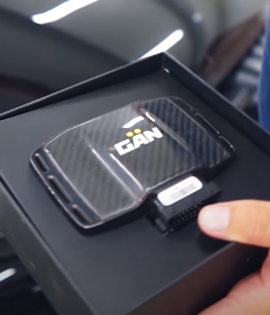
Factory warranty is void if the dealer detects ECU modifications through diagnostics. Official service centers then refuse repairs, causing extra expenses. Plug & Play modules that leave no traces preserve warranty, as confirmed in proven cases. More on warranty preservation with GAN modules in the article “Will Your Car Lose Warranty After Installing GAN?”.
“Any unauthorized modification of vehicle software detected by diagnostic tools is an unconditional reason for voiding warranty coverage of the powertrain and transmission.”
— Ivan Petrov, Head of Service Center “Official-Auto”
Legal Aspects and Risks of Chip Tuning: What You Need to Know
The legality of chip tuning is questionable when emission standards are violated, which can lead to fines. In some cases, registering modifications is mandatory, otherwise insurance issues may arise. Compliance with regulations avoids legal risks while keeping the benefits of tuning.
How to Minimize Risks in Chip Tuning: Expert Recommendations
To minimize risks, follow these steps:
- Choose a specialist with proven experience and reviews.
- Use trusted software.
- Perform diagnostics before installation.
- Monitor vehicle condition afterward.
- Use high-quality components.
This reduces problems by up to 90 percent. Chip tuning risks are minimized with an individualized approach, as confirmed in thousands of case studies.
“A staged approach to chip tuning (Stage 1 to Stage 3) progressively increases power demands and often requires mechanical upgrades to the braking and suspension systems.”
— ChipTuning.nl
The Importance of Diagnostics Before Chip Tuning
Diagnostics reveal hidden defects and allow preventive measures.
- Engine condition check.
- Transmission inspection.
- ECU error analysis.
- [ ] Mileage under 100,000 km
- [ ] No Check Engine errors
- [ ] Timely maintenance
- [ ] Oil pressure verification
Choosing a Professional Workshop and the Right Tune
Look for workshops with dynamometer testing, customer reviews, and warranties. “Off-the-shelf” remaps are universal, but custom dyno tuning is tailored to your car, reducing risks. More details in the article “I Want to Increase My Engine Power. How Can I Do It?”.
Stage 1 vs Stage 2/3: Comparing Risks and Requirements
Stage 1 tuning is safe without hardware changes, with minimal risks. Stage 2/3 require modifications (intake, cooling, etc.), significantly raising both cost and risk. The downsides of higher stages are balanced by greater power gains.
Advantages of Chip Tuning: Why Is It So Popular?
Increased Power and Torque
Up to 30 percent gains confirmed by tests.
Improved Driving Dynamics and Throttle Response
Better pedal response and acceleration dynamics.
Fuel Consumption Optimization (with calm driving)
Up to 15 percent savings in eco-driving mode.
Removal of Software Restrictions (Euro norms, EGR, DPF)
Removes barriers to performance but requires caution. Benefits outweigh drawbacks when approached correctly.
Real Reviews and Stories: Negative Experiences with Chip Tuning
One Skoda Octavia owner reported overheating and loss of low-end torque after a remap, which eventually led to costly repairs. Another diesel VW owner complained about a clogged filter. Such issues are rare but highlight the importance of choosing the right solution. Reviews show real stories of risks associated with chip tuning.
Question — What problems did Igor experience with his Skoda Octavia after chip tuning?
Igor noted that the car began to jerk at low RPMs (loss of torque at low revs) — in the end, he had to revert to the stock firmware to restore normal performance.
Busting Popular Myths About Chip Tuning
Myth 1: "Chip tuning always harms the engine"
Fact: A high-quality Stage 1 tune on a healthy vehicle, with proper diagnostics and calibration, is generally safe and does not significantly reduce engine life.
Myth 2: "Any chip tuning provides huge fuel savings"
Fact: Fuel savings are only possible in limited conditions (eco-driving); under active use of added power, consumption actually increases.
Myth 3: "You can just download a tune from the internet and flash it yourself"
Fact: This is highly risky — you may brick the ECU or cause unstable engine operation. It’s strongly recommended to trust professionals and dyno-tested calibrations.
Alternatives to Chip Tuning
External Tuning Boxes (Power Boxes)
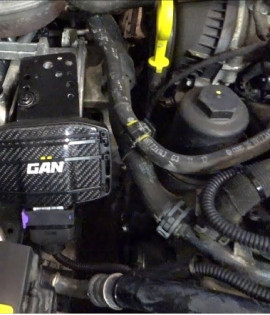
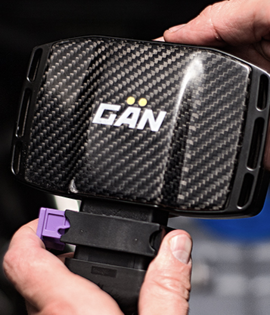
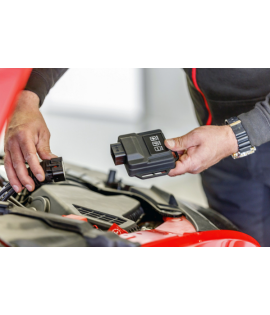
These plug in without ECU reflashing and are often marketed as safer. More details in the article — “Power Boxes: Just a Gimmick?”.
Mechanical Tuning (Hardware Upgrades)
Replacing and upgrading components (intake, turbo, exhaust, etc.) reliably increases power but is more expensive. The advantage is durability; the downside is higher costs and complexity of work.
Conclusion: Is Chip Tuning Worth It? Expert Opinion
Chip tuning delivers noticeable performance gains, but the risks depend entirely on the approach: software quality, diagnostics, and the expertise of the tuner. With proper preparation (diagnostics, dyno calibration, monitoring), Stage 1 often brings driving pleasure with minimal risks.
Expert Tip: If you are not ready for potential expenses or unsure about the condition of your vehicle, postpone tuning. When choosing a workshop, prioritize those with a dynamometer and service warranty. For most drivers, Stage 1 offers the best balance of power and safety.