

Introduction: Why Choosing the Right Shop is 90% of Success
The wrong tuning service provider can lead to a loss of money on useless work, damage to the car requiring subsequent repairs, and even legal problems due to non-compliance with traffic police regulations or the loss of the factory warranty. Choosing the right shop ensures that the tuning will enhance performance without risking the engine and transmission. This article breaks down the process step-by-step, showing how to select the right tuning service provider to avoid common mistakes. The recommendations are based on experience in chip tuning, where projects begin with data analysis on dyno stands and selecting solutions for specific needs.
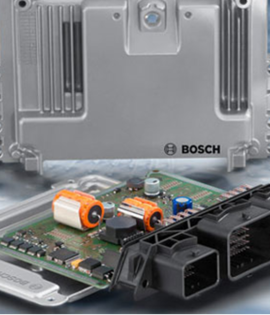
A client once came to us after a bad experience at a non-specialized service center: the engine lost its lifespan due to errors in the Electronic Control Unit (ECU) tuning, which led to additional repair costs. Such situations highlight the importance of careful selection. Certified technicians with a portfolio of successful projects increase client satisfaction and ensure the safety of modifications.
Author's Block
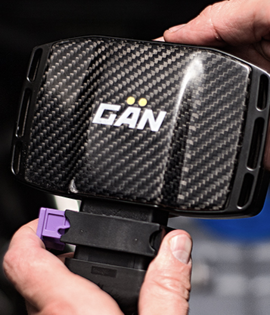
The development team at GAN Tuning Buro, leading engineers with experience in chip tuning. The company specializes in modules that increase power without altering the engine's Electronic Control Unit. Read more: Our Publications.
Step 1: Defining Goals and Budget — The Foundation of Your Project
Defining your goals and budget in advance helps you choose a tuning service provider that precisely matches your tasks. This reduces the likelihood of overpaying and ineffective modifications, ensuring the project considers the specifics of your vehicle.
What result do you want to achieve?
The goal should be clearly formulated: increasing power through tuning stages involves modifications for city driving, track days, or competitions. Enhancing style covers body and interior changes for a visual effect. Improving handling includes suspension and brake upgrades for on-road stability. Changing the exhaust sound is achieved by installing systems that adjust acoustics without compromising performance. Experience shows that turbocharged engines provide a noticeable boost in dynamics with precise tuning, and custom solutions adapted to the car and driver's preferences offer more accurate improvements compared to off-the-shelf programs. "Custom ECU tuning tailored to your vehicle’s unique configuration offers better performance and long-term reliability than generic tunes." — Wraptors Performance, 2024.
Budget Assessment: What's Included in the Cost and What's Not?
The cost of services consists of materials, labor, diagnostics, and equipment tests. A shop's pricing policy reflects its level of execution: low prices often indicate the use of unsuitable parts, which can cause breakdowns. The optimal cost of tuning involves using proven components and checks that increase reliability. Studies confirm that shops with transparent pricing and no hidden fees build more customer trust and reduce conflicts. Facts show a 70% increase in satisfaction when working with certified specialists. "Transparency in pricing, detailed estimates, and absence of hidden fees are vital to build trust and avoid disputes." — Wraptors Performance, 2024.
| Type of Tuning | Budget (Euro) | Expected Result |
|---|---|---|
| Chip Tuning Stage 1 | 184–255 | +10–20% power, improved urban dynamics |
| Exhaust Installation | 204–408 | Improved sound and performance |
| Brake Upgrade | 153–255 | Higher braking efficiency |
Step 2: Finding Candidates — Where and How to Look for Professionals?
Compiling a list of candidates through trusted channels helps in selecting a tuning service provider with a confirmed reputation. This includes both digital resources and personal recommendations.
Sources for Your Search: From Online to Word of Mouth
Yandex and Google Maps with a rating filter allow you to find shops with real reviews. Specialized forums and clubs provide examples of work and discussions. Recommendations from car owners who have had modifications done offer objective assessments. Car shows and events open up opportunities for direct contact. Experience highlights the value of communities where data on power gains without compromising systems is shared. Active participation in forums and events signals a provider's professionalism. "Reputation matters: online reviews, recommendations, portfolio quality, and community presence help identify credible providers." — Wraptors Performance, 2024.
Step 3: Key Selection Criteria — A Detailed Analysis of Candidates
Analyzing candidates based on specialization, work examples, reviews, equipment, warranties, and documentation helps in choosing a tuning service provider with proven competence. This ensures expectations are met and risks are minimized.
Specialization and Expertise
Check the shop's profile for focus: engine modifications, suspension, or styling, considering brands like VAG, BMW, or Japanese models. Inquire about their experience with your specific car model. Specialization in turbocharged engines allows for the use of algorithms to increase power while preserving engine life. Compatibility with your vehicle’s make, model, and year is essential for optimal results. "Compatibility with your vehicle’s make, model, and year is non-negotiable." — ChipYourCar, 2025. Read more about chip tuning for naturally aspirated engines in the article "Chip tuning of naturally aspirated engines".
Portfolio and Real Case Studies
In the portfolio, look not only at images but also at descriptions of modifications with test results. Look for examples similar to your planned work. Detailed reports with measurements demonstrate effectiveness, showing power gains without reducing reliability. Personal visits to the shop to evaluate equipment and communicate with staff provide valuable information before making a choice.
Reviews and Reputation: Where to Look and How to Verify
Look for reviews on maps, forums, and social networks. Detailed comments are preferable; be suspicious of identical positive entries from questionable profiles. Ratings help compare companies. "I always check reviews on multiple platforms. If a company is only on one and has exclusively 5-star ratings, it’s a red flag." — Famous auto blogger, source: Wraptors Performance, 2024.
Technical Equipment and Facilities
The presence of a dynamometer (dyno) for power measurements is mandatory, as are diagnostic tools with appropriate software. Components from trusted manufacturers ensure quality. Modern equipment guarantees accuracy and safety. "Use of modern diagnostic and tuning equipment such as dyno machines and specialized software is essential for accuracy, safety, and optimal engine performance enhancement." — Wraptors Performance, 2024. Learn more about the engine control unit in the article "What is an Electronic Engine Control Unit".
Warranties and After-Sales Service
A warranty on work and parts can extend up to 2 years with clear service conditions. Clarify the rules for maintaining coverage. This reduces risks for the owner. "Warranty and post-service support from tuning providers substantially affect customer risk mitigation." — Wraptors Performance, 2024.
Legal Standing and Contractual Work
Confirm their status as a registered business (sole proprietor or LLC) for your protection. A contract with a detailed estimate and deadlines solidifies obligations. This prevents misunderstandings.
Step 4: The In-Person Visit and Conversation with the Technician — The Decisive Stage
An in-person visit allows you to evaluate the shop in practice and ask questions to make a final decision.
Checklist of Questions for the First Conversation
- What is your experience with my car model?
- What brands of parts do you use?
- What does the entire process involve?
- What warranties are specified in the documents?
- How do you handle issues if the result is unsatisfactory?
Red Flags: What to Pay Attention to at the Shop
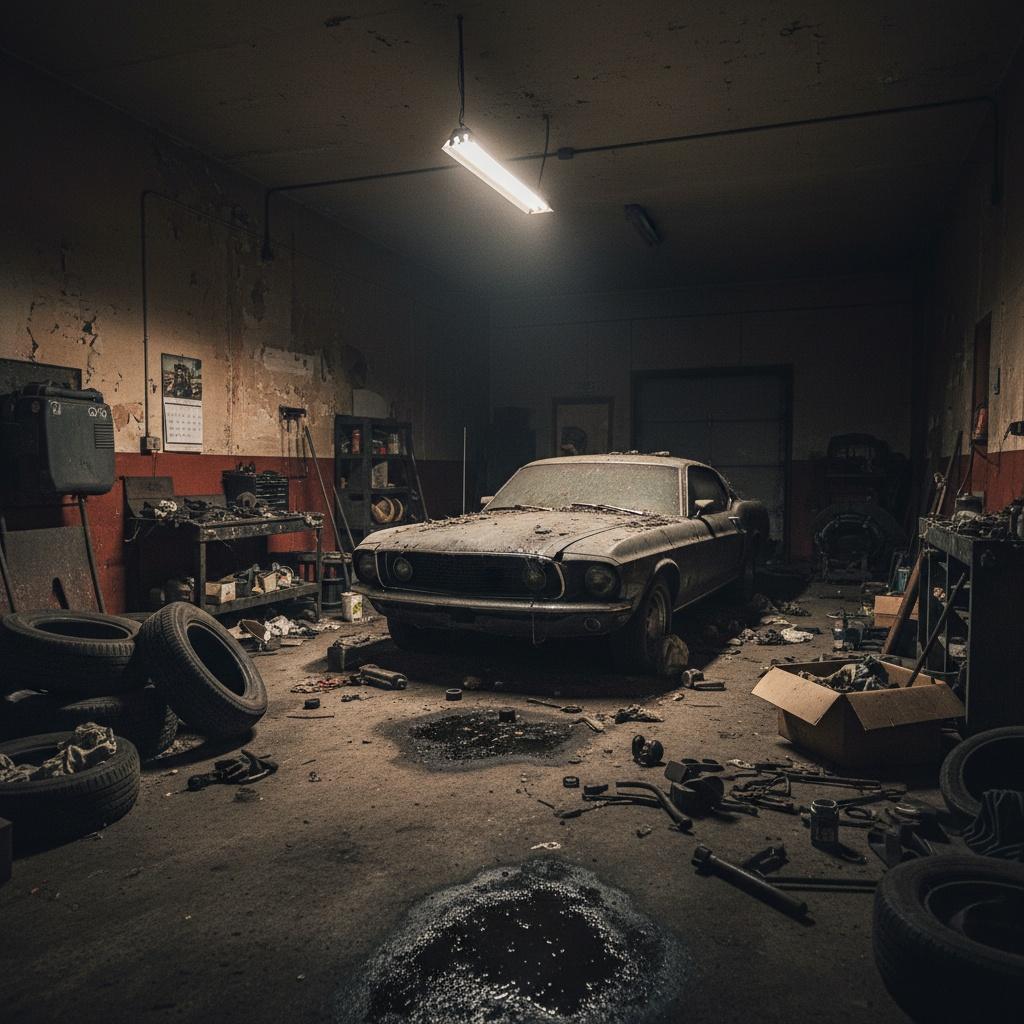
A messy repair area suggests carelessness. Outdated equipment affects precision. Staff who avoid questions or rush you should raise doubts.
Avoiding Common Mistakes: How Not to Step on the Same Rake
Choosing based on the lowest price leads to poor quality. The absence of a contract leaves you unprotected. Ignoring reviews increases risks. Unclear objectives lead to discrepancies. An unspecified warranty leaves you without support. Experience confirms that such miscalculations lead to breakdowns, but thorough verification can prevent them. "Choosing solely by lowest price often leads to poor quality and no aftercare." — Wraptors Performance, 2024.
FAQ: Answers to Frequent Questions About Choosing and the Tuning Process
What will happen to the dealership warranty on a new car?
Modifications can affect the warranty if the dealer proves a connection to the failure. External modules can be removed without a trace, preserving coverage. Read more in the article "Will installing a GAN void the car's warranty?".
Do I need to register tuning modifications with the Traffic Police?
Registration is required for structural changes that affect safety or emissions, such as engine or brake modifications.
What is the difference between chip tuning and installing a tuning box?
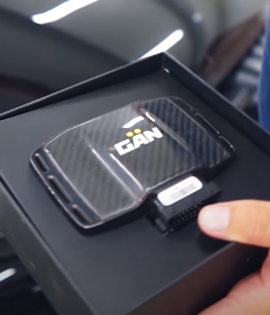
Chip tuning directly modifies the ECU for optimization. A tuning box works externally without changing the factory settings. Read more in the article "Are power-increase modules for cars just a gimmick?".
Conclusion: The Final Checklist for Making a Decision
Your Personal Checklist: Choosing the Ideal Tuning Service
- Check their specialization and experience with your model.
- Evaluate the portfolio with examples.
- Study reviews on various platforms.
- Verify their equipment and the components they use.
- Demand a warranty and a contract.
- Visit in person and ask questions.